

Blog post by: Eye Physicians of Long Beach
Clear, healthy vision plays a key role in how your child grows, learns, and interacts with everything around them. When your child develops a vision problem, it can affect their development and overall well-being, often without them realizing. That’s why it’s crucial to know what signs to look out for and to see a pediatric ophthalmologist even when your child doesn’t know when something is wrong with their eyes.
Keep reading to learn more about how to tell if your child has vision problems.
How Can You Tell If Your Child Has Vision Problems?
The following are key signs to watch for, as they could signal potential vision problems in children.
Excessive Eye Rubbing
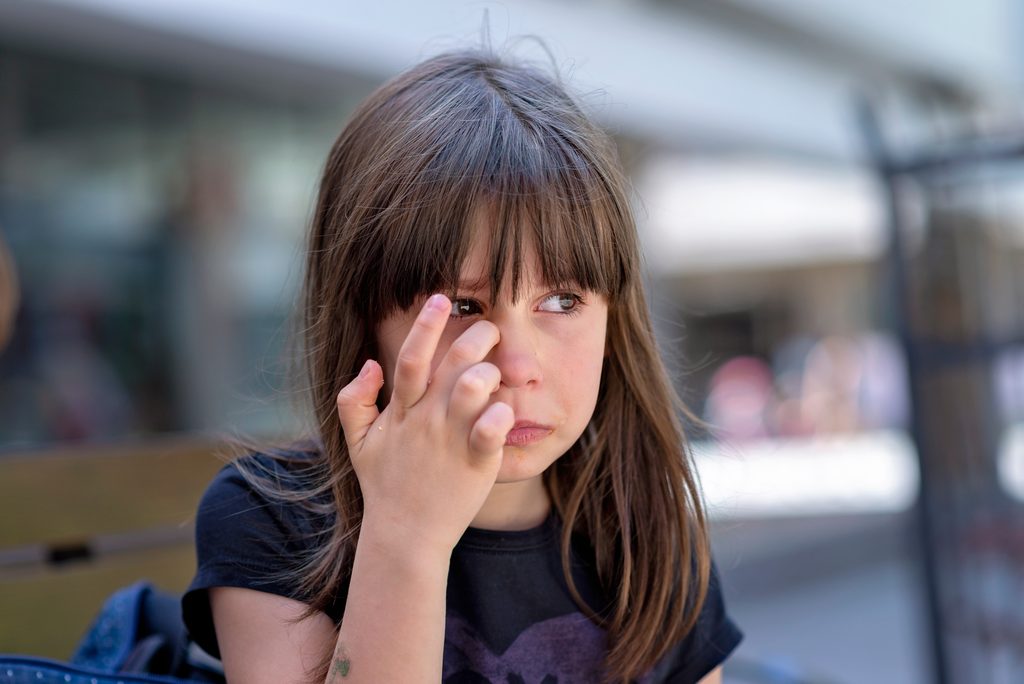
Frequent eye rubbing can be a warning sign of vision problems. It might be a result of eye strain or irritation.
Eye rubbing could be your child’s way of seeking relief from the discomfort and strain caused by overworked eyes. With eye strain, their eyes work harder to focus during screen time or when reading.
Once your child gets the correct treatment, these symptoms typically resolve quickly.
Constant Squinting
Does your child often squint when looking at far-away or close-up objects? If they do, they’re likely trying to see better.
Squinting can be caused by refractive errors such as nearsightedness or farsightedness. Nearsightedness is when your child can see up close well, but distant objects appear blurry.
On the other hand, a child with farsightedness has trouble seeing nearby objects, but can see distant objects clearly. If your child squints regularly, it’s a good idea to see an eye doctor to address potential vision problems early on.
Closing One Eye
Your child might be shutting one eye in order to focus with the other. The closed eye may have weaker vision than the other due to conditions like amblyopia or strabismus.
Amblyopia, also called lazy eye, is a visual disorder where one eye doesn’t develop normal vision strength. Strabismus, or crossed eyes, is when the eyes point in different directions. Early detection and treatment of these conditions are essential for optimal outcomes and preventing permanent vision impairment.
Holding Objects too Close or Sitting too Close to Screens
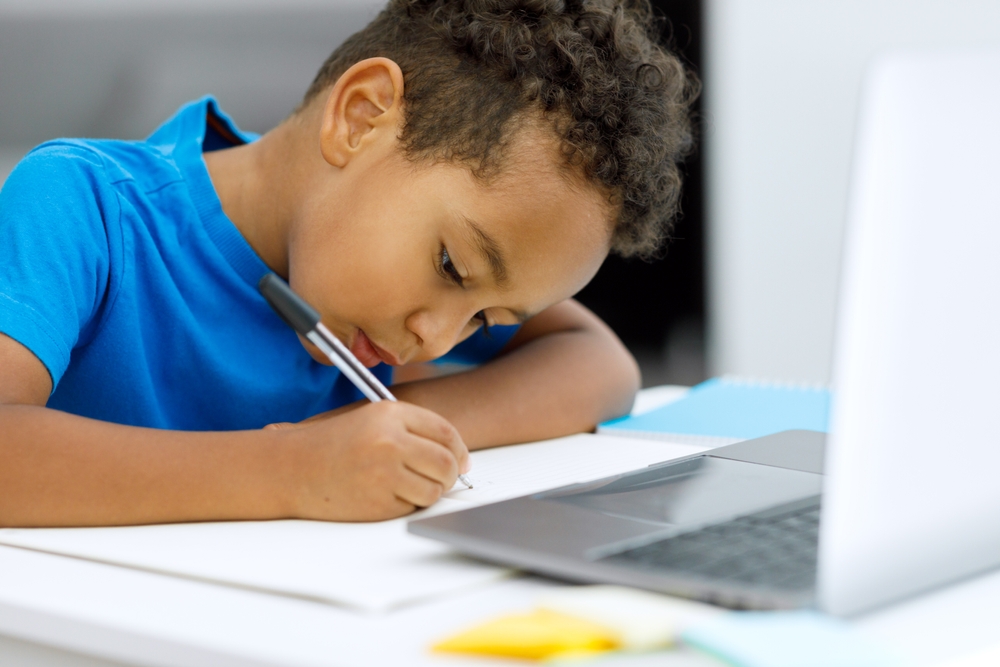
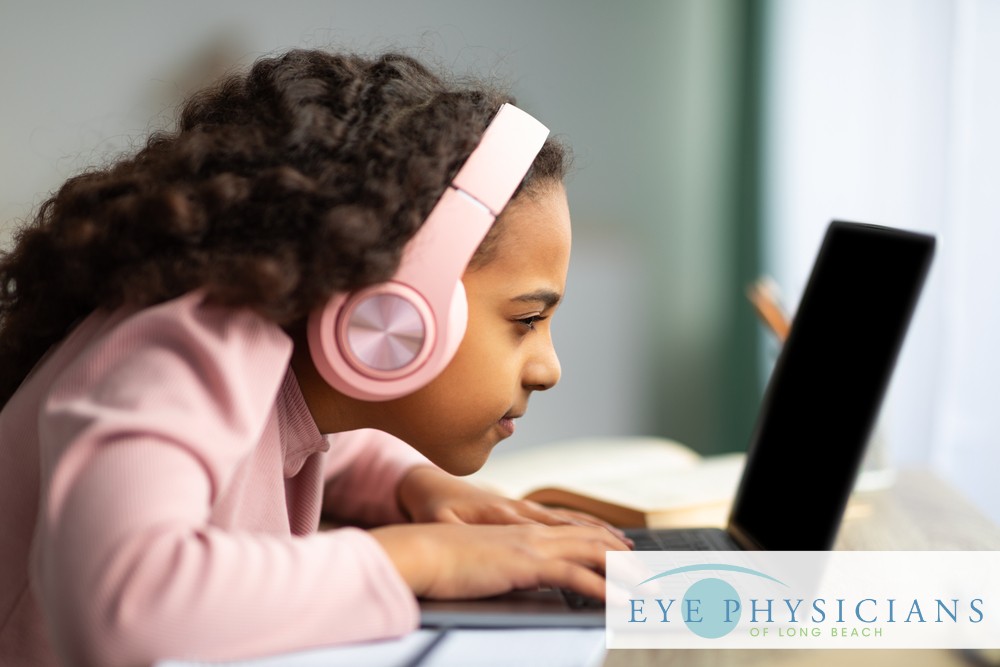
Holding items like toys, tablets, and books inches away from the face or sitting too close to the TV can also be signs of visual difficulties. While children are naturally curious and tend to explore things close-up, they may also be doing that to see clearly. If you catch these habits time and again, you should bring your child to see a pediatric eye doctor for an evaluation.
Head Tilt
When kids often tilt their heads, they may do it to try to increase clarity, implying that they’re struggling to see clearly. Frequent head tilting while reading or watching TV could point to binocular vision disorders like strabismus or amblyopia.
These vision problems interfere with eye coordination and depth perception. Astigmatism, a common refractive error that causes blurred, distorted vision at all distances, can also trigger head tilting. Constant head tilting requires timely intervention to prevent further vision deterioration.
Recurring Headaches
Vision issues could be responsible for your child’s frequent headaches. Typically, children with astigmatism or farsightedness experience persistent headaches.
These refractive errors can lead to headaches as the eyes exert extra effort to focus on blurry images, particularly during prolonged periods of activities like using a computer, reading, coloring, or writing.
If your child often complains that their head hurts, it’s time to see an eye doctor to get to the bottom of their symptoms and find an effective solution.
Reduced Academic Performance
Your child relies on their vision to write, read, and remain engaged. If you’ve noticed a dip in their school performance, uncorrected vision problems could be to blame.
Eye conditions like astigmatism, nearsightedness, farsightedness, or amblyopia can cause them to avoid reading, lose concentration, and become disengaged, impacting their learning experience. When your child finds it challenging to focus and follow along as a result of poor vision, even simple tasks such as reading and writing can become tiresome.
They may become inattentive, easily distracted, and unmotivated, hindering their ability to learn. That’s why it’s crucial to have your child’s vision checked as often as a pediatric ophthalmologist recommends.
Why is it Important to See a Pediatric Ophthalmologist?
Childhood is a vital time for visual development. Any untreated vision problem can interfere with this process.
Recognizing these telltale signs ensures prompt detection and treatment, which supports healthy vision development. Your child’s eye doctor will not only focus on treatment but also monitor important visual milestones.
Even without symptoms, regular visits to the pediatric ophthalmologist play an essential role in protecting your child’s vision. During your appointments, the ophthalmologist will perform eye exams.
These painless examinations can help keep your child’s visual health on track, which is crucial for their well-being. On top of that, routine eye exams enable your pediatric ophthalmologist to catch any vision issues early, even before your child has any symptoms, allowing for timely intervention when treatment is usually more effective.
Safeguard Your Child’s Vision and Future
Vision issues don’t have to compromise your child’s eyesight. Our pediatric ophthalmologists can diagnose and effectively treat vision problems, giving your child the chance to reach their full potential in every aspect of their life.
Is your child showing signs of vision problems? Schedule your appointment today at Eye Physicians of Long Beach to ensure your child has the clear, healthy vision they need to thrive.