


Blog post by: Eye Physicians of Long Beach

Red, irritated, watery eyes can throw anyone off their day. When these types of symptoms hit, many people immediately worry they have pink eye, and sometimes they are right. Other times, the culprit is dry eye, which can mimic some of the same early signs.
The short answer to the question in the title is yes, pink eye and dry eye do share several overlapping symptoms, but they are very different conditions with very different causes. Since pink eye is the one most people genuinely worry about, and the one that is contagious, that is where we are going to spend most of our time.
What Is Pink Eye?
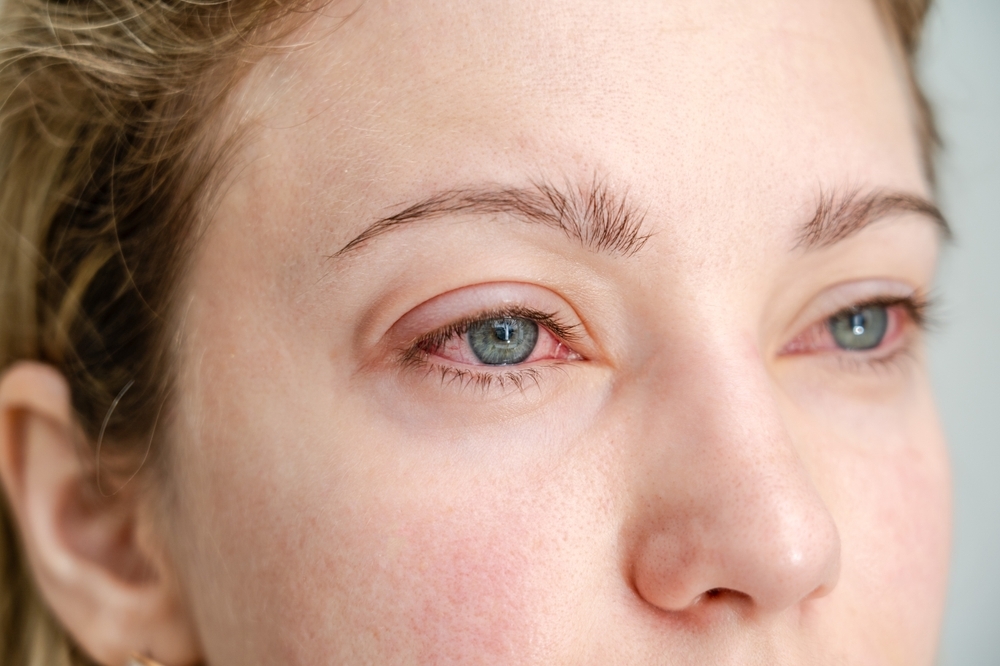
Pink eye, known medically as conjunctivitis, is an inflammation or infection of the conjunctiva, which is the thin, clear membrane that covers the white of the eye and lines the inside of the eyelid. When the tiny blood vessels in the conjunctiva become inflamed, they swell and become more visible, giving the eye its characteristic pink or red appearance. Children tend to get pink eye more often, partly because they spend their days in close contact with other kids and aren’t always the most careful with hand hygiene. But adults get it too, especially during cold and flu season.
The Types of Pink Eye
Not all pink eye is the same, and recognizing the type matters for treatment.
Viral conjunctivitis is the most common form. It often shows up alongside a cold or upper respiratory infection and tends to start in one eye before spreading to the other. The discharge is usually thin and watery rather than thick. Viral pink eye is extremely contagious and typically runs its course in one to two weeks without medication.
Bacterial conjunctivitis is also contagious and is often what parents picture when their child wakes up with crusty, sealed shut eyelids. The hallmark of bacterial pink eye is a thicker, yellowish or greenish discharge that can cause the eyelashes to stick together. It can affect one or both eyes and usually responds well to prescription antibiotic eye drops.
Allergic conjunctivitis is not contagious. It is the eye’s reaction to allergens like pollen, pet dander, dust mites, or mold. It almost always affects both eyes at once and usually comes with intense itching, watery eyes, and other allergy symptoms like sneezing or a runny nose. Many people across Southern California experience flare-ups during pollen season.
Irritant conjunctivitis is caused by something physically bothering the eye, like chlorine from a swimming pool, smoke, a chemical splash, or even a stray eyelash. It clears up once the irritant is removed and the eye has a chance to recover.
What Symptoms Should You Watch For?

The most common pink eye symptoms include:
- Pink or red discoloration of the white of the eye
- Watery, mucus-like, or pus-like discharge
- Crusting around the eyelids, especially after sleep
- Itching, burning, or a gritty feeling
- Swollen eyelids
- Sensitivity to light
- Tearing that’s heavier than usual
These symptoms can range from mild and annoying to severe enough that they affect your vision and daily routine.
Where Pink Eye and Dry Eye Overlap
Here is where things get tricky. Both pink eye and dry eye can cause redness, watering, burning, itching, light sensitivity, and a general feeling that something is wrong with the eye. That symptom overlap is exactly why so many patients arrive at our office uncertain about what is going on.
A few clues can help you tell the difference at home. Pink eye usually comes on relatively suddenly and is often accompanied by discharge, particularly the sticky, crusty kind that glues your eyelids together overnight. It may also follow a cold or be paired with allergy symptoms. Dry eye, by contrast, tends to build gradually, gets worse with screen use or environmental triggers, and rarely produces thick discharge, although watery, reflexive tearing is common.
That said, self-diagnosis has limits. Some serious eye conditions can mimic both pink eye and dry eye, and a wrong assumption can delay the treatment that protects your vision.
When to See an Eye Doctor
It is time to schedule an appointment if you have severe pain, blurred vision that does not clear with blinking, intense light sensitivity, a thick yellow or green discharge, symptoms that do not improve within a few days, or recurring redness and irritation.
If you wear contact lenses and develop pink eye symptoms, stop wearing your lenses and call your doctor right away. Contact lens wearers face a higher risk of serious infections.
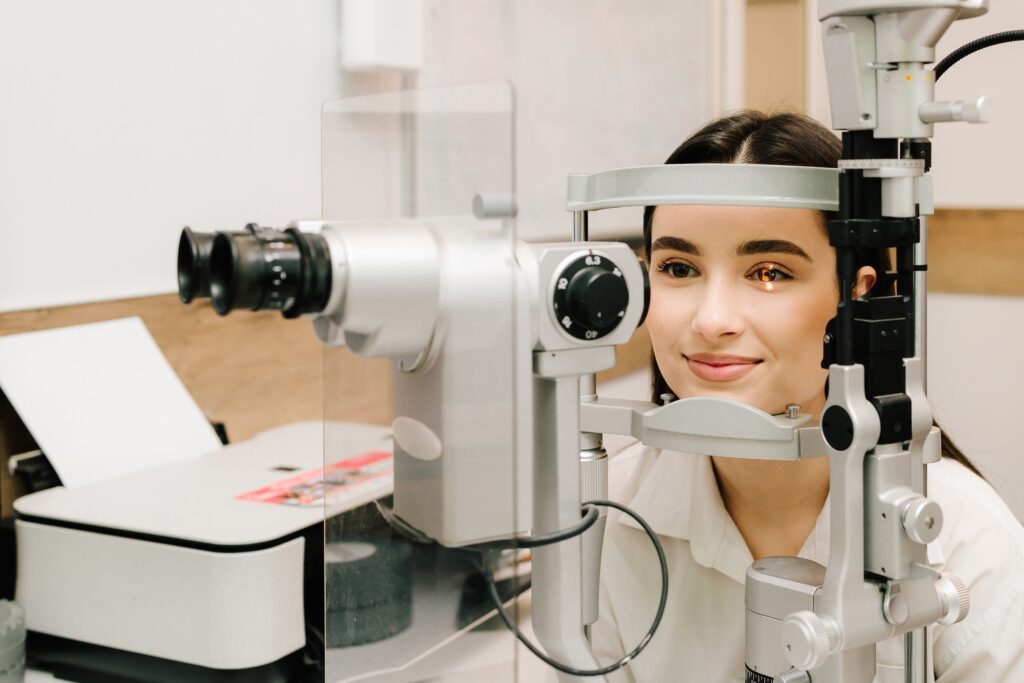
Our team performs thorough comprehensive eye exams to pinpoint what is actually causing your symptoms, so you get the right treatment the first time instead of a guess that prolongs your discomfort.
Get the Right Answer for Your Eyes
Pink eye and dry eye share enough symptoms to fool just about anyone, but they are not the same condition, and they do not respond to the same treatment.
Antibiotics will not help a viral infection or dry eye. Artificial tears might soothe irritation, but they will not clear up bacterial conjunctivitis. The right starting point is a clear diagnosis from a specialist who can examine your eyes and rule out the look-alikes.
If you are dealing with red, irritated, watery eyes and you are not sure what is behind it, schedule an appointment at Eye Physicians of Long Beach in Long Beach, CA. Quick, accurate answers are the fastest path back to comfortable, clear vision.