

Blog post by: Eye Physicians of Long Beach
Most people know that staring at a screen for hours doesn’t feel great. Eyes get tired, the room starts to blur a little, and there’s that familiar heaviness behind the brow by the end of the day. For most people, these feelings pass after a good night’s rest, and they don’t give it much more thought. But at what point does everyday screen fatigue cross over into something that deserves a real conversation with your eye doctor?
The answer depends on what you’re experiencing, how long it has been going on, and whether the symptoms are affecting your daily life. Keep reading to learn what normal screen-related discomfort looks like versus what warrants professional attention!
What Normal Screen Fatigue Looks Like
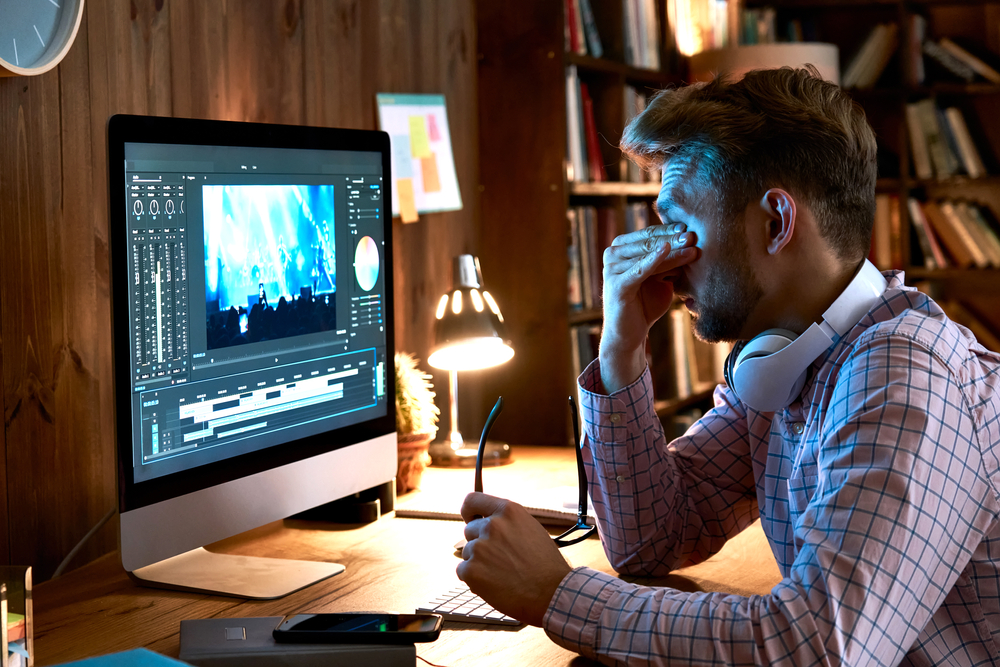
Temporary eye discomfort from screen use is extremely common. When you spend extended time focused on a digital device, your blink rate drops significantly, your focusing muscles work harder than usual, and your eyes can begin to feel strained or fatigued. This is broadly referred to as digital eye strain, and many people experience it regularly.
The typical symptoms of digital eye strain include:
- Tired, sore, or burning eyes by the end of the workday
- Mild blurring of vision after long periods of screen use
- Occasional headaches, especially around the forehead or temples
- Slight difficulty shifting focus between near and far objects
These symptoms tend to resolve on their own once you step away from the screen, get some sleep, or take breaks throughout the day. If rest brings relief consistently, what you’re experiencing is most likely garden-variety fatigue rather than a sign of lasting damage.
When Symptoms Stop Going Away on Their Own
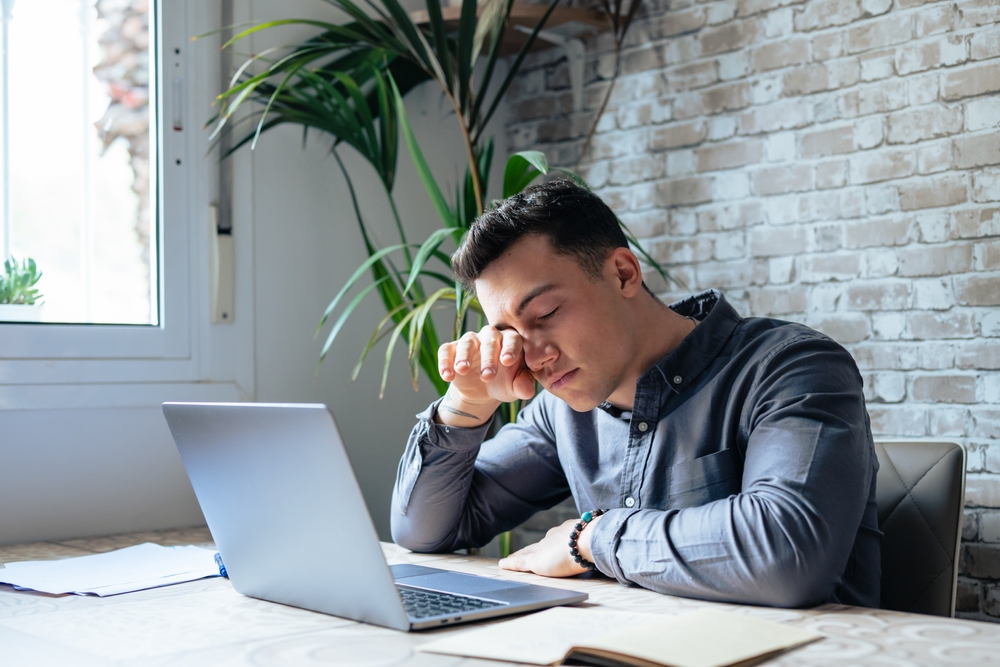
The first warning sign that screen time may be contributing to a more serious problem is persistence. If your eyes are consistently red, irritated, or uncomfortable even on days when your screen use is lower than usual, that shift matters. Symptoms that linger well beyond your last screen session or that are present when you wake up in the morning deserve attention.
Persistent dryness is one of the more common escalations. When the eyes don’t blink enough, the tear film becomes unstable, and the surface of the eye dries out. Over time, this can develop into chronic dry eye disease, a condition that goes beyond occasional discomfort and can interfere with vision quality and comfort throughout the day.
LipiFlow and other dry eye treatments are available for patients whose dry eye has progressed to the point where lifestyle changes alone aren’t enough. The key is knowing when to seek that kind of evaluation rather than continuing to manage symptoms with over-the-counter drops indefinitely.
Changes in Your Vision You Shouldn’t Ignore
Eye strain and visual changes are not the same thing. Fatigue can temporarily make vision feel less sharp, but if you’re noticing consistent changes in how clearly you see, that goes beyond tired eyes.
Blurry vision that doesn’t clear up after resting, difficulty reading signs or text at a distance that didn’t used to be a problem, or a noticeable increase in how hard you’re squinting to see clearly are all reasons to schedule a comprehensive eye exam.
Double vision or sudden changes in how well you see are in a different category entirely. These symptoms warrant prompt evaluation regardless of whether they seem related to screen use.
What Screen Time May Be Doing to Children’s Eyes

Children are among the most vulnerable populations when it comes to the long-term effects of heavy screen use. Their eyes are still developing, which means that prolonged near-focus activities, including screens, may contribute to the progression of myopia at a faster rate than in adults. Certain studies show that children who spend more time outdoors and less time on near-work tasks are at lower risk for developing or worsening nearsightedness.
If your child is squinting at the board at school, sitting closer to the television than they used to, or complaining of headaches and eye fatigue after device use, these are signals worth taking seriously.
A pediatric ophthalmologist can evaluate whether myopia is developing or progressing and discuss management strategies, including specialized contact lenses and dilute atropine drops that are designed to slow the process. The earlier these interventions begin, the more effective they tend to be.
Taking the Next Step Toward Clarity
Screen time is not going away, and for most people, a significant reduction simply isn’t realistic. What matters is paying attention to what your eyes are telling you and knowing when a symptom has moved beyond the expected and into territory that warrants a closer look.
If your symptoms are temporary and consistently resolved by rest, simple strategies like the 20-20-20 rule, proper screen positioning, and staying hydrated can go a long way. But if your discomfort is persistent, your vision has changed, or you’re noticing symptoms that don’t fit neatly into the category of tiredness, the team at Eye Physicians of Long Beach in Long Beach, California, is here to help. A comprehensive eye exam is the clearest path to understanding what’s driving your symptoms and what can be done about them.