


Blog post by: Eye Physicians of Long Beach
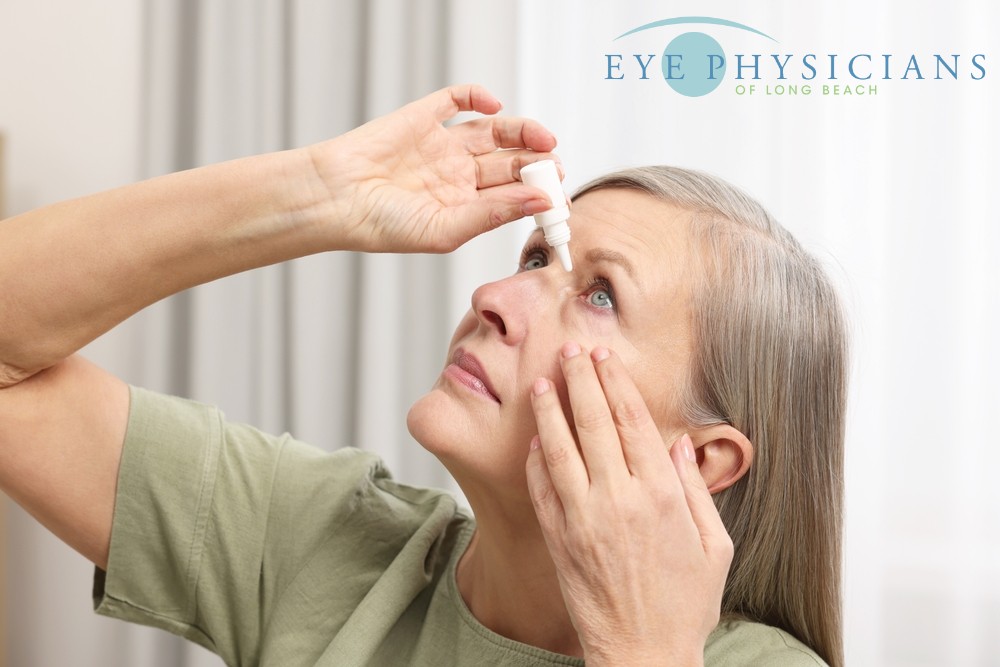
If your eyes often feel gritty, scratchy, or tired by the end of the day, dry eye may be the cause. It’s one of the most common reasons people visit an eye doctor, and it can make everyday activities like reading, driving, or working on a computer feel more uncomfortable than they should. For many people, the first step toward relief is a small bottle of artificial tears.
But what exactly are artificial tears, and how do they help? These over-the-counter drops work by supplementing your natural tear film, the thin layer of moisture that keeps the surface of your eyes smooth, protected, and comfortable.
When your eyes don’t produce enough tears, or your tears evaporate too quickly, artificial tears can help restore that balance. Keep reading to learn how they work, which type may be right for you, and when it might be time to see an eye doctor for more advanced dry eye treatment.
What is Dry Eye?

Your eyes require tears for healthy, comfortable vision. If they don’t make adequate tears or produce low-quality tears that evaporate rapidly, it’s called dry eye.
Dry eye usually affects both eyes and can cause symptoms such as:
- Burning or stinging sensation
- Eye redness
- Light sensitivity
- Fluctuating or blurred vision
- Strings of mucus around or in the eyes
- Sandy or scratchy feeling
- Eye fatigue
- Trouble wearing contact lenses
- Excess tears, due to the irritation of dry eyes
What are Artificial Tears?
Artificial tears are eye drops designed to closely mimic the composition of your natural tears. They help relieve dry eye by moisturizing and lubricating your eyes.
These solutions are often the first line of treatment for dry eye and are purchased without a prescription. There are various types of artificial tears, each tailored to different dry eye needs.
By knowing the differences, you can choose the best option, which is crucial in managing dry eye effectively.
The different kinds include:
Artificial Tears with Preservatives vs. Preservative-Free Artificial Tears
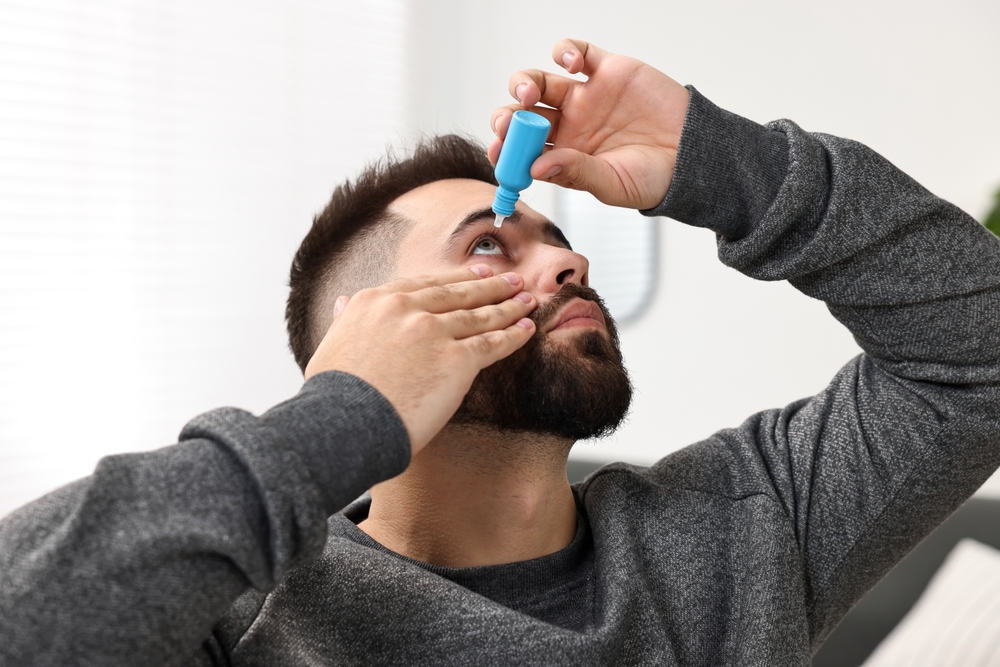
Preservatives are added to artificial tears to discourage bacterial growth once the bottle is opened. However, these preservatives may irritate your eyes or even worsen dry eye, particularly if you apply eyedrops often or have sensitive eyes.
Preservative-free eyedrops are typically a better option if you use eyedrops more than four times daily or have sensitive eyes. They’re less likely to cause irritation with frequent, daily use.
High Viscosity vs. Low Viscosity Artificial Tears
High viscosity artificial tears, such as ointments and gel drops, can be better suited if you have moderate to severe dry eye. They tend to have a thick consistency, enabling them to provide extended lubrication and longer-lasting relief from dry eye.
Because of their high viscosity, these eyedrops can cause blurry vision temporarily after application, making them ideal for nighttime use.
On the other hand, low-viscosity drops are more watery and thinner in consistency. While they offer fast relief, they may require more regular application, making them suitable for mild dry eye symptoms and daytime use.
Lipid-Based Artificial Tears
Tears evaporate faster when they don’t have enough oil. Lipid-based eye drops replenish the lipid (oily) layer of the tears, preventing excessive evaporation.
When Should You See an Ophthalmologist?
If your symptoms persist or dry eye worsens despite using artificial tears, it’s a good idea to schedule an appointment with an ophthalmologist at Eye Physicians of Long Beach. They’ll determine the underlying cause of your dry eye and provide personalized care.
Early diagnosis and a targeted treatment approach can restore clear, comfortable, and healthy vision, provide lasting relief, and prevent long-term complications of dry eye. Your treatment options will depend on the root cause and the severity of your symptoms, and may include:
Prescription Eyedrops

These treat chronic and more severe forms of dry eye. Unlike artificial tears, prescription drops go to the root of the problem, offering significant relief.
Some solutions, such as Xiidra or Restasis, decrease inflammation, a common cause of dry eye that impairs tear production. As inflammation decreases, tear production increases, alleviating dry eye symptoms.
In some cases, you may need steroid eyedrops recommended to control severe inflammation. These provide quick relief, calming severe dry eye flare-ups. However, they’re prescribed for short-term use, as long-term application can heighten the risk of side effects such as cataracts and glaucoma.
Punctal Plugs
If you’ve tried other dry eye treatments without success, your ophthalmologist may suggest punctal plugs. Punctal plugs are tiny devices that are inserted into the puncta, the small openings in your inner eyelids that drain tears from your eyes. By completely or partially blocking the puncta, these devices help prevent tears from draining too fast, allowing moisture to remain on the eye’s surface longer. This keeps your eyes lubricated, providing lasting symptom relief.
Intense Pulsed Light (IPL)
IPL is another effective treatment option for managing chronic and severe dry eye. It uses light pulses to decrease inflammation and improve the function of the meibomian glands that secrete the oily layer of the tears. This prevents your tears from evaporating rapidly, alleviating dry eye.
You may require 3 to 4 sessions spaced 2 to 4 weeks apart for optimal results. Each session lasts about 15 to 30 minutes. You might notice symptom improvement shortly after the initial treatment, but most patients report considerable relief after their second or third session. The benefits of the treatment last longer than temporary solutions such as artificial tears.
Many patients maintain the effects of IPL treatment with 1 to 2 touch-up sessions annually after the first series. Your ophthalmologist will tailor a follow-up plan depending on how you respond to the treatment and the severity of your dry eye.
Get the Best Treatment for Your Dry Eye
If you need help selecting the right artificial tears or are experiencing worsening or persistent dry eye symptoms even after using these eye drops, our experienced ophthalmologist at Eye Physicians of Long Beach can help. We’ll provide a thorough assessment and tailor a personalized treatment plan that works best for your eyes, so you can find long-term relief.
Are you struggling with dry eye? Schedule your appointment at Eye Physicians of Long Beach in Long Beach, CA, today to start your journey to clear, healthy, and comfortable vision.